Introduction
As part of my contribution to the blog, I have been trying to check in on how Practical Life Practices (PLP) are being experienced within our family. PLPs, as I like to call them, are essentially the day-to-day life changes that we’ve had to adjust to while traveling the world, going from country to country and language to language. This can be anything from the way we grocery shop, to the way that we play family games. From our clothing purchases, to our packing situation and life in the kitchen. I started this PLP evaluation in my Vietnam post and figured that I’d check in about a third of the way into our trip. I’m only a couple months late on that. Here goes…
Traveling with Kids
As we have been traveling, it is natural for us to tell the people that we meet along the way about the details of our year-long trip around the world. When we say we’re from Las Vegas, we get some sideways looks, or big smiles. I remember trying to explain to my friend O (remember him, from Koh Lanta?) where I was from in the U.S., once he related Vegas to boxing, it clicked. However, some of the more surprising reactions we get are when folks realize we’re traveling with three small kids. How are we able to accomplish such a feat? We must have three perfect little angels following us around!


Well, I can say that the Peapod Littles have handled it well! They have their rough patches, the typical brotherly and sisterly squabbles. And although they miss their home, a lot, they have become expert travelers. They have been keeping busy on long train or plane rides by doing a handful of activities to keep their minds engaged, they are not just spending their time nose deep in an iPad, although movies are allowed from time to time. A smattering of drawing projects, doing a school days’ worth of work, reading books, playing games, keeping track of what stop is ours, sitting in silence with their thoughts to themselves, observing the world around them…all of this to pass the time and keep these young minds engaged, or at rest, in just the right ways.
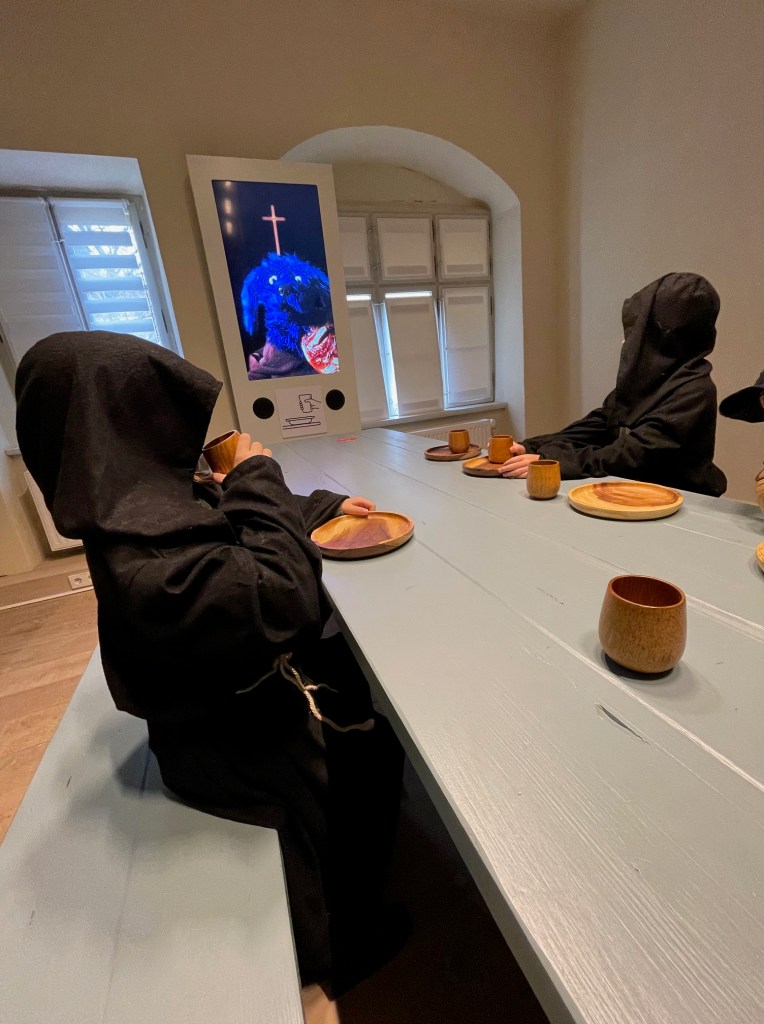
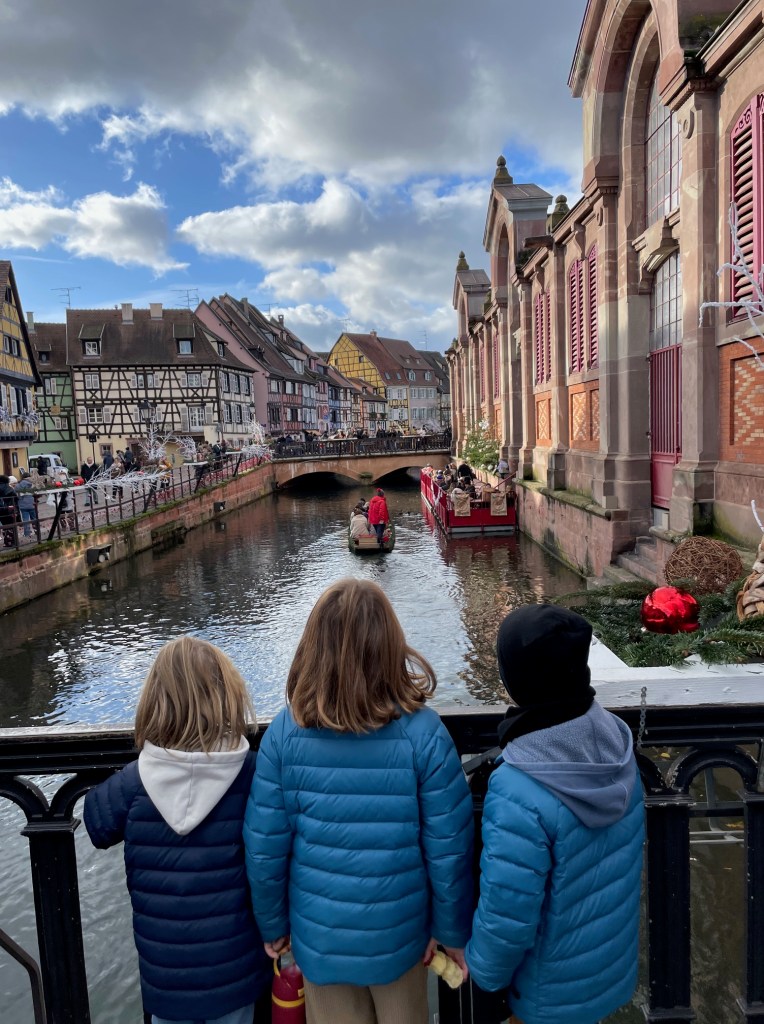
Travel days can get tough. Twelve hour days on the road can get difficult to keep it together throughout the entire trip. Traveling from India to Rome was challenging. After an 8 hour flight to Istanbul, and a subsequent 2 hour flight to Rome, Little Pea was not having the 1.5 hour wait in customs. Our fellow disembarking passengers got to see a real American tantrum that evening!
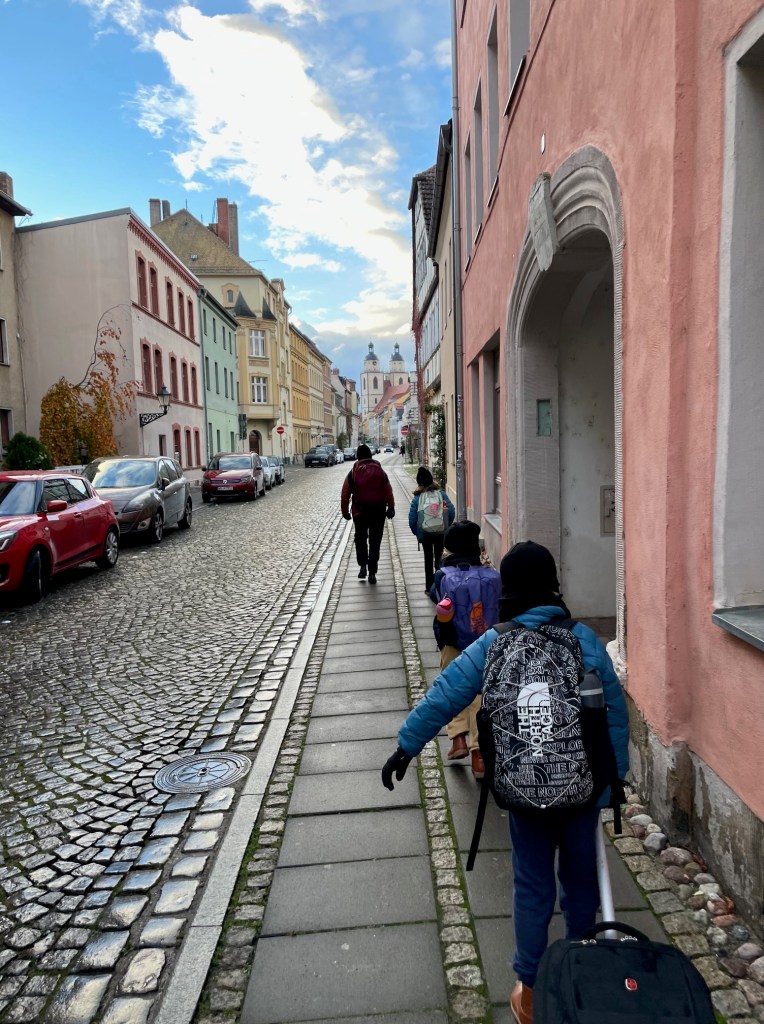
It’s hard to hold back from seeing everything as we visit each city. That means lots of temples, museums, and basilicas. What would you guess the over/under on the number of temples a 6-year-old can stand to visit? Even the most inquisitive 9-year-old might get frustrated when entering his twelfth basilica of the trip (even when the motivation is to warm up from the cold).
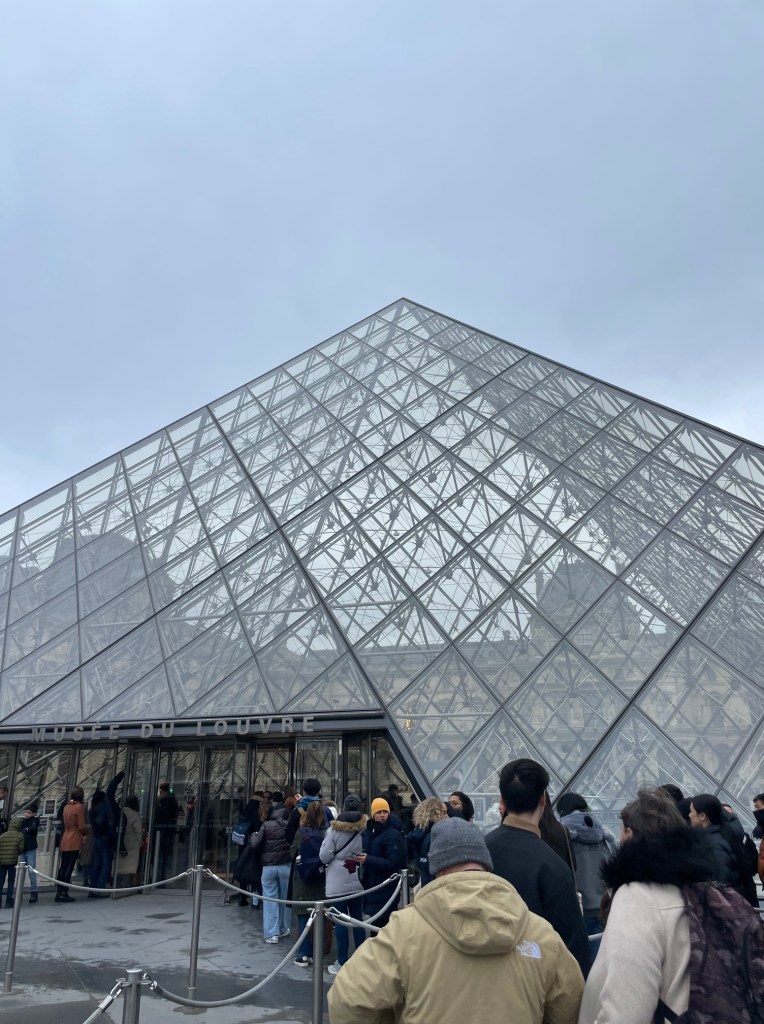

I have to hand it to them though, they are the best travelers a Daddy Pea could ask for! Up to this point, having visited 13 countries with sleeping arrangements that can change by the week, I’ve come to realize that these kids are the best! I give traveling with kids an 8 out of 10 on the PLP scale, deducting a couple of points for the occasional sour attitude.
Transportation and Lodging
As the squad enters into each new apartment, an assessment of the new digs is conducted by each and every one of us. How big is the place? Does the kitchen have the right tools for our cooking needs? Which bed am I sleeping in? Each apartment has its own unique flavor and charm (and smell). Sometimes the toilets will run and run, or drip and drip, or won’t flush at all! Sometimes there is mold growing in the cracks on the kitchen counters. Sometimes the beds are as hard as a rock, or that double bed is actually two beds pushed together, with a crack in the middle that will slowly widen as you sleep late into the night.
Mosquitoes, spiders, geckos, you soon realize that some places are infiltrated with non-paying guests that are looking for new friends to get cozy with. Whether it’s small quarters, or angry foreign speaking neighbors who complain because the kids are laughing as they run down a stairwell at 11am, each new place has its own set of unique characteristics. We could be expert Airbnb critics at this point.
Understanding the ins and outs of local transit is a steep learning curve. No amount of planning will get you ready for the first time to step on a platform in a new city, or how to figure out what side of the street you need to be on to catch the Number 5 bus. When you first get boots on the ground in a new city, the questions start to mount. Where do we purchase tickets? Are kids a reduced or free fare? Do we take bus, train, or tram? Should we get the weekly pass?
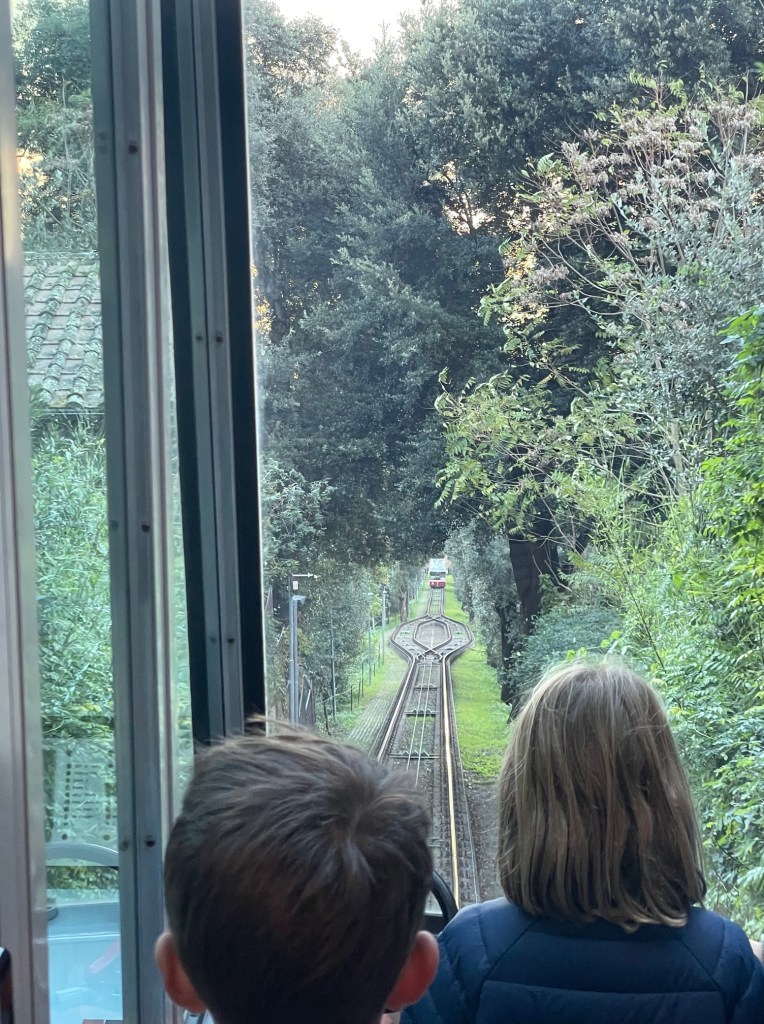
Maneuvering our way onto, and off-of, whichever mode we are traveling on can have challenges as well. Like this one time while sightseeing in Paris, our group swelled to 12 as we got to meet up with some vacationing friends from back home. While we waited for some local Parisians to disembark from the metro, it took a while. So when half our groups was cut off because of a quick and forceful closing metro door, it was somewhat jarring. Our friend’s youngest was left behind with us as he was crushed by a slamming door that did not give and reopen! Thank God we were still outside of the train with the little guy.
Our experiences include canceled trains, jumping on trains that we didn’t pay for assuming that our ticket was transferable (and it wasn’t), rail strikes, three person tuk tuks being used for a party of five. Whatever way we can, we will get there. Even if it means dealing with a grumpy German ticket agent who is none too happy that we weren’t speaking Deutsch.
We have done a lot of walking. I’m not exactly sure on how many in miles total, but we’ve been averaging around 10,000 steps a day in pure city walking. In six months, that’s around 900 miles walked!
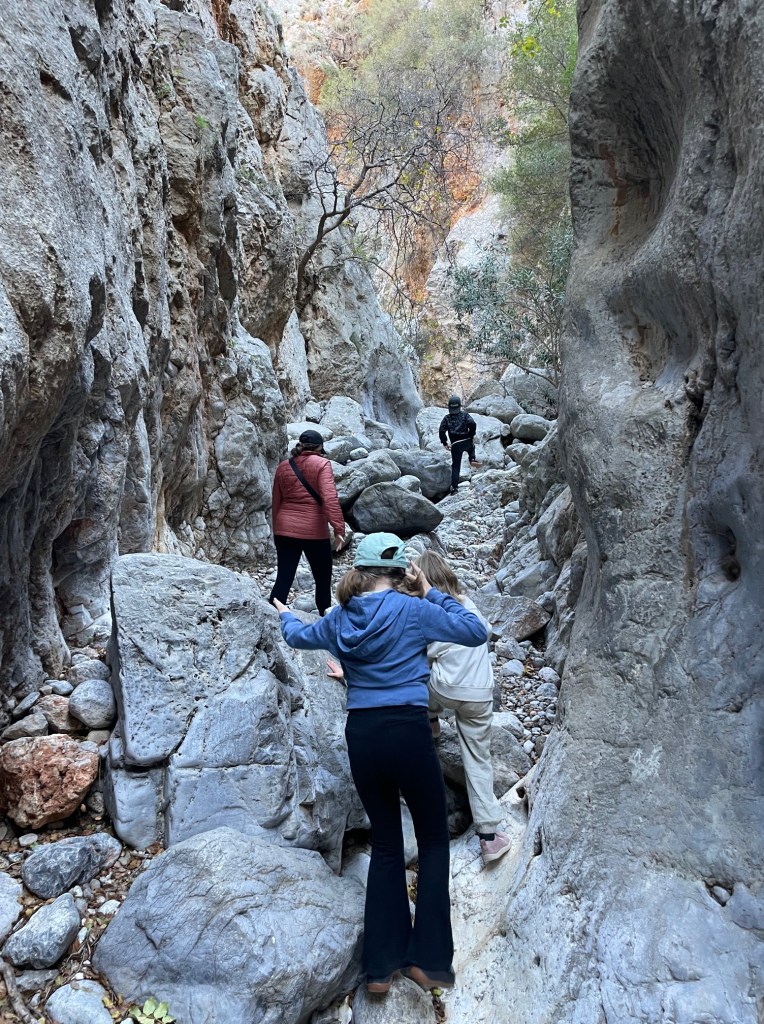
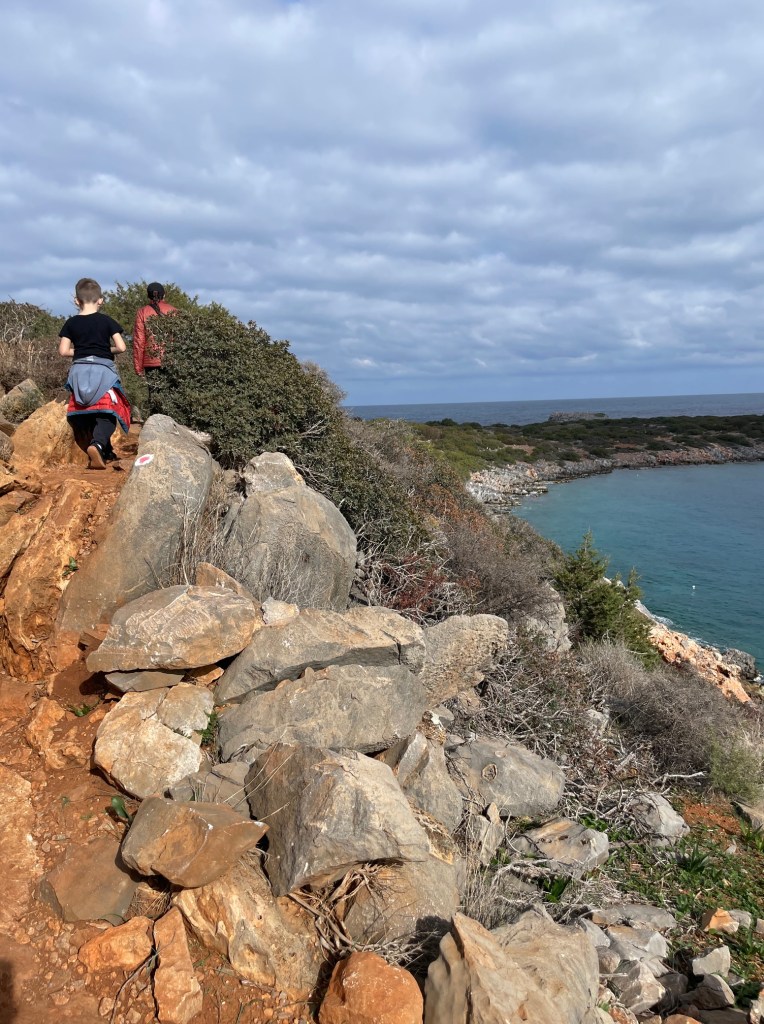
All in all, I’ll give lodging and transportation a 7 out of 10 on my PLP scale. I’d say that while we are happy with our travel and lodging arrangements more than 70% of the time. The most important thing with this category is that we all generally are in good spirits about whatever situation arises. Actually, I’m probably the worst offender of being negative, which is my initial reaction as my Dad instincts take over from a safety and timing perspective. However, once I get settled in, and get a good understand of our surroundings, my view on the cramped apartment or delayed train becomes more optimistic.
Food and Grocery Shopping
I’ve invented a new grocery store activity, it’s an adaptation of the old Supermarket Sweep game. It’s called Foreign Food Frenzy. Pick an item, any item that would be an obvious purchase in the states. Let’s say, breakfast sausage. Now, walk into a grocery store in a different country. Time yourself on how long it takes you to find that item without asking for help. If you have you ask for help from an employee, add 5 minutes to your ending time. If you need to refer to Google Translate, add 2 minutes to your ending time. If that item cannot be found, you lose the game.
Grocery shopping in different countries is a trip. Each country has its own twist on everyday items. Most countries want produce to be weighed and tagged prior to checkout, which has a unique challenge of ensuring that you select the right product code. Meats are handled differently from country to country. Sometimes meats just available frozen, while in some countries they will grind the beef of your choice on the spot. Some countries just plain don’t offer what you are looking for, for instance try to find whole wheat flour overseas; the package may say “whole wheat” but it’s not the “whole” that one may be expecting.
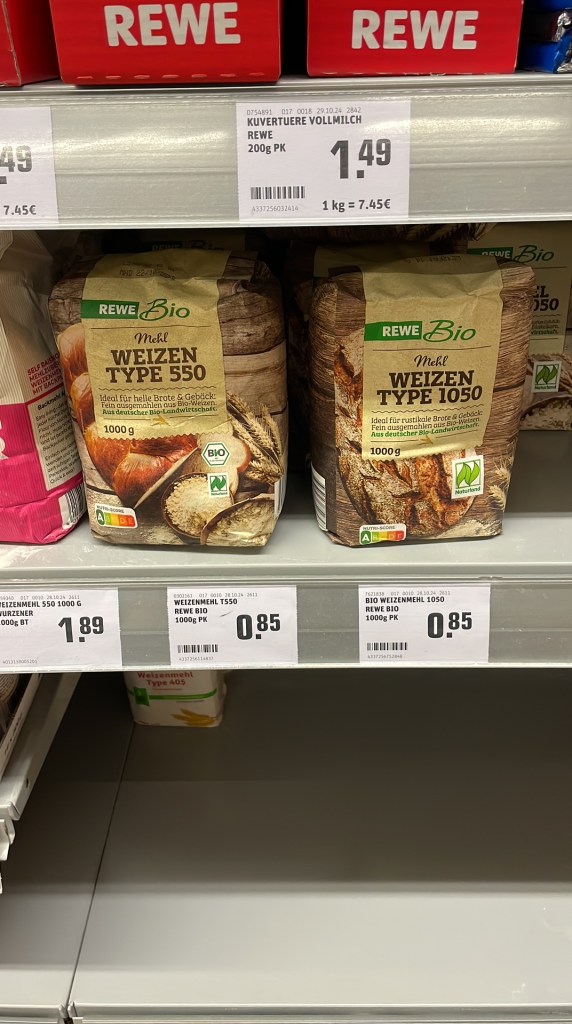
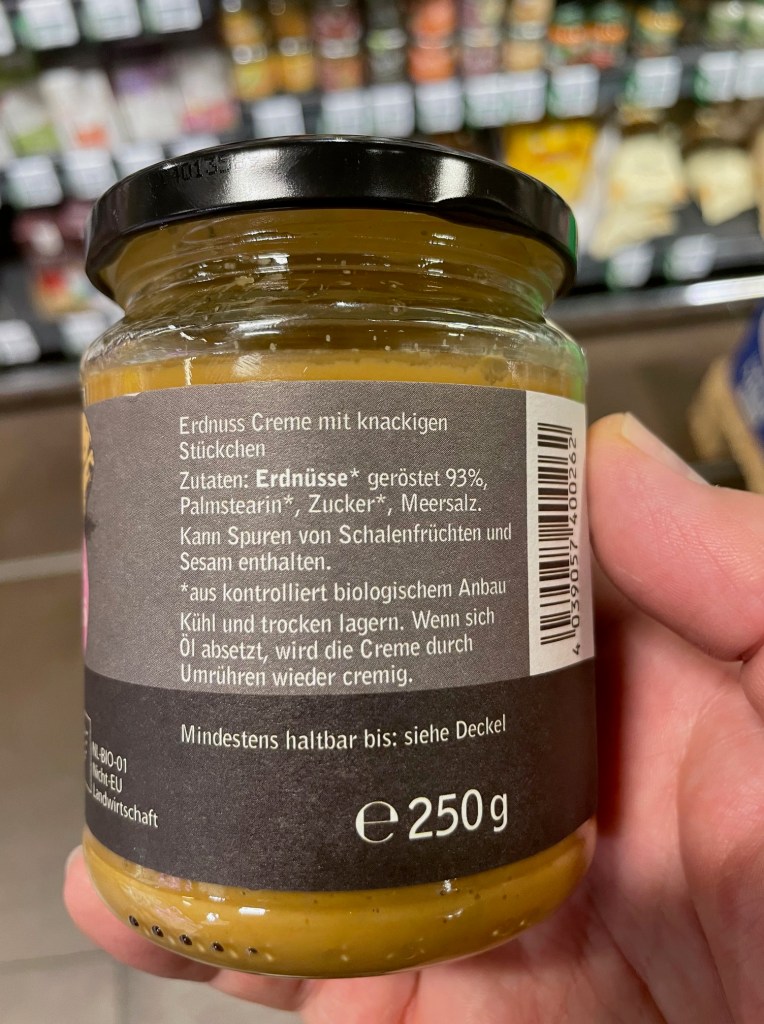
One thing remains constant. In every country, lurking in a grocery store aisle, you will find a lost dad trying to figure out what to buy. From puzzled looks to video calls with the wife, it’s inevitable that you’ll run into a middle-aged male with a look of worry on his face!
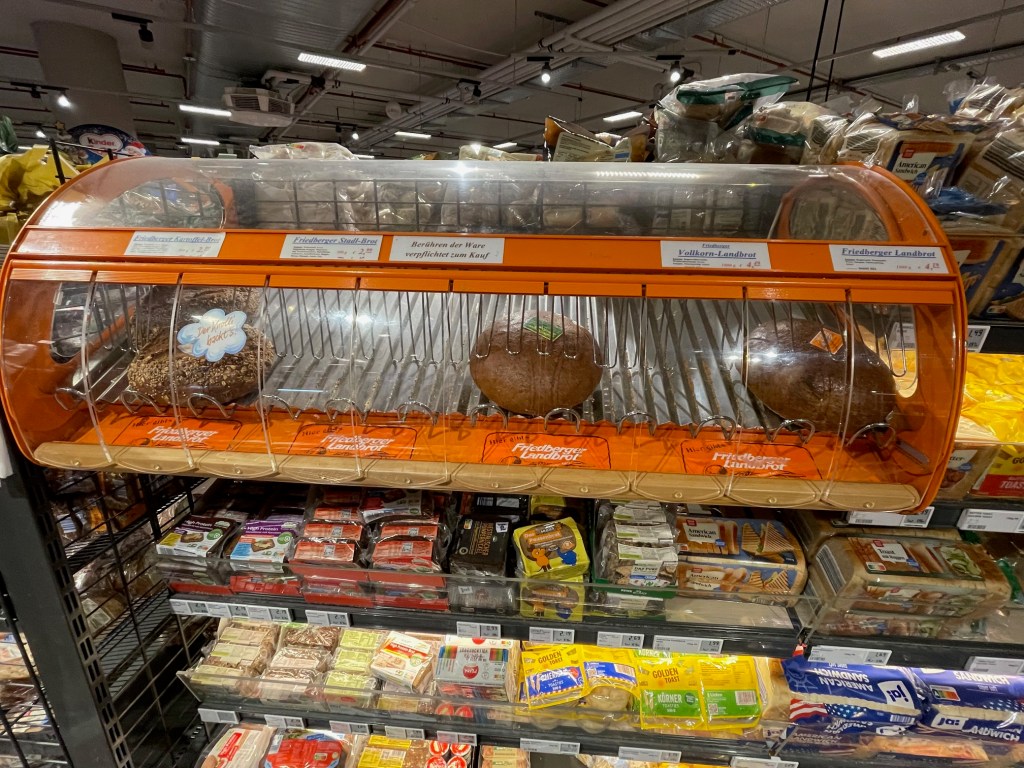
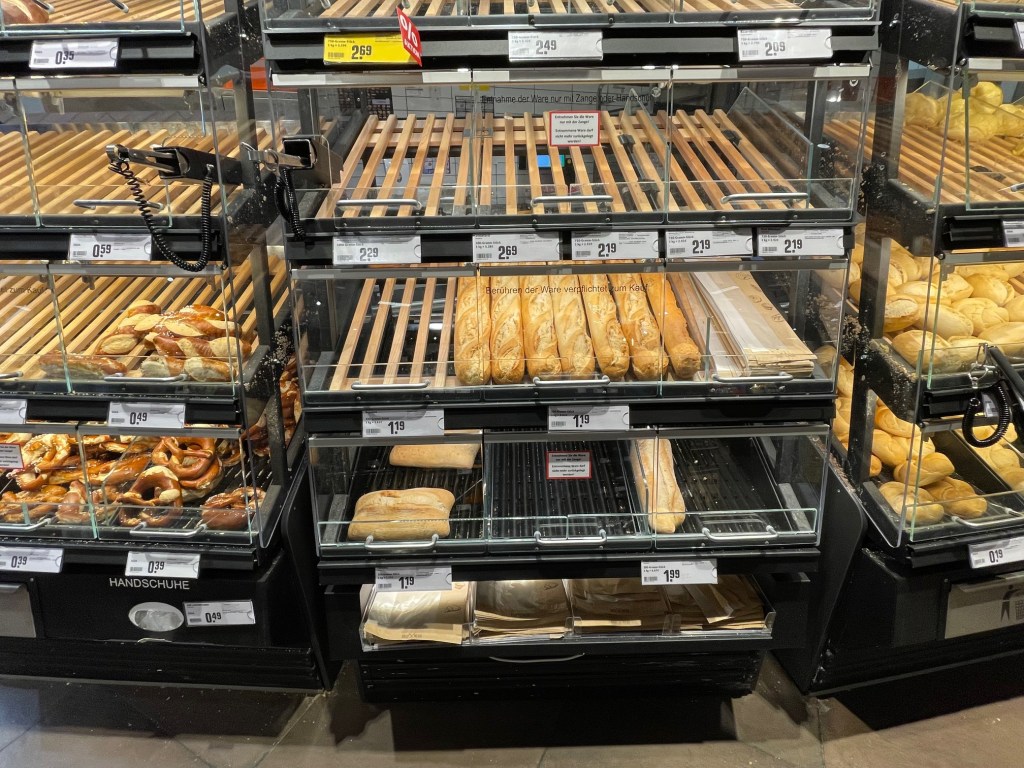
From my experience, once you get past the different shopping practices and the language hurdles, it’s all about reputation. Once you’ve been in a store you’re going to want to stick with it, especially after learning the layout. From a pricing perspective, I’d say that it’s no more expensive than the U.S, some countries are slightly cheaper. (I am excluding farmer’s markets or any outdoor market from this assessment, these are far cheaper than the grocery store shopping that I’ve described). Overall, I’ll give it a 6 out of 10 on the PLP scale.
Unpack, Pack, Repeat
Traveling the world has required us to carry all of the stuff that we need for the next year. This is an interesting proposition and thought experiment for everyone. Ask yourself, what is the bare minimum that you would need to live on while traveling the world? There are conditions. All of your stuff needs to fit into 2 pieces of luggage. The first piece of luggage is a standard size backpack. The second is a suitcase that is similar to a carry-on size. I am lugging around the largest of all of the bags, a 55 liter REI backpack which typically weighs between 25 and 30 pounds when full. Another condition is that you will be traveling in both fridged and tropical climates. It truly is an exercise in necessity and simplicity.
For us, we have 5 “standard” carry-on sized luggage bags, and 5 personal backpacks. After a day of travel, when we first enter into our new week’s lodging, within seconds all of our stuff seems to be everywhere. I call this the initial luggage “throw up”. This inevitably will lead to something getting left behind, which has happened with less frequency than you would imagine. Daddy Pea’s organizational protocols help keep things in order, ensuring that a detailed sweep of the house occurs upon exit.
Then there are the trials and tribulations of washing clothes. Up to this point, not one place that we’ve rented has both a washer and a dryer. There have been the occasional washer/dryer combo, but no standalone dryer. This has led to a new practice for us, hang dry clothes like it’s the 1950s! Using organic detergent, which was always a priority at home, is a luxury these days. I would say the biggest challenge is learning how to use foreign machines. It would seem obvious, it’s only a washing machine after all. However we ran into a situation in Japan where the door, as hard as we tried, simply wouldn’t unlock and open; this was a washer/dryer combo. Also, there are no such things as a “quick wash”, washing cycles take about 2.5 hours at a minimum.

All of this to be said, re-wearing clothes is a must. I’m not talking underwear people, but everything else is fair game. For me, I’m used to this life anyway. It was 50/50 on if I would take a daily shower, seeing that I worked from home for years; so wearing the same clothes on back to back days is part of my standard routine. Plus with limited room equating to a minimal wardrobe, and growth spurts by the kids, clothes are sparse in general.
Finally, the task of packing it all up. We’ve decided to use packing cubes to help reduce the space that our clothes take up. Depending on where we are going next, some of the cubes are labeled as summer clothes so we do not touch them as we unpack. When the packing begins, all the clothes are gathered, sorted by person as much as possible, rolled, and packed into the cubes. All of our backpack stuff is sorted and put back into their respective bags. Last minute charging chords are gathered and put into Daddy Pea’s backpack. All in all, it takes between 3 and 4 hours to gather and pack up, depending on how big of a mess we’ve made during our stay.
This is a process. Early in the trip it was a pain in the neck. I would have rated this a 3 out of 10 on the PLP scale a month in. But, now that I have a somewhat repeatable process down, I’ll give it a 6 out of 10 seeing that it is a time-consuming process to be as diligent as I am (some would say OCD, you can be the judge).
Bathrooms/Hygiene – Toilet Talk
Last but not least, time for the Too Much Information portion of this post (maybe I’ve already provided enough TMI at this point, idk). Time for Toilet Talk! The biggest hygiene change for us has come in the form of a bathroom tool that local Asians affectionately call the bum gun. (Queue the “Dun Dun Duuuun” music, or in this case, “Bum Bum Buuuum”.)
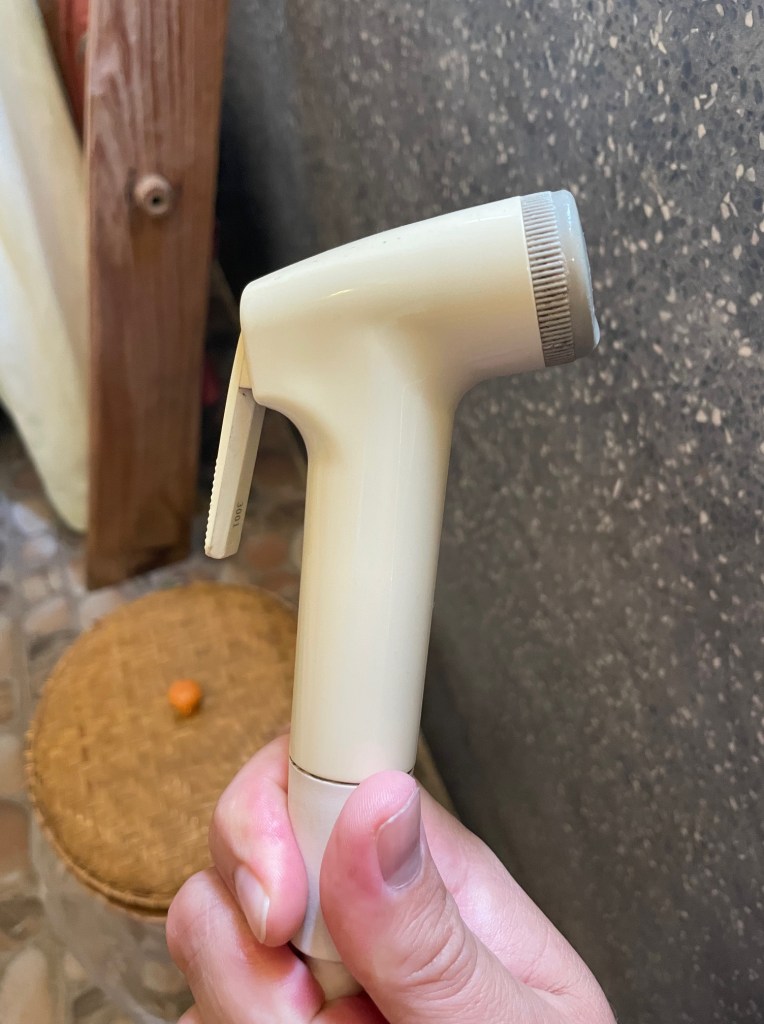
What is the bum gun? The bum gun is a handheld bidet sprayer, primary found in Southeast Asia and the Middle East. It’s a handheld sprayer that is attached to the water line that feeds into the toilet.
We’ve made our first encounter in Vietnam. We aren’t supposed to flush toilet paper in this part of the world, right? My mind went to a many a day back in the states where I had to unclog a toilet after a 6, 9, or 11 year old’s use of way too much TP. How are we going to gracefully handle this situation with the kiddos? The last thing that I wanted to do was call my Airbnb host and try to explain why we needed plumber support. Then I saw it, its face starring right back at mine…the bum gun.
Before I get into bum gun logistics let’s talk history. After all, this trip is supposed to be about cultural influence and historical significance.
The bidet originated in France during the early 18th century. The word “bidet” is French for “pony,” which reflects the way early bidets were used—users would straddle the fixture much like riding a small horse. The earliest bidets were portable and made of wood, often resembling a low basin or chair. As indoor plumbing became more widespread during the 19th century, bidets became more sophisticated. They were often made of porcelain, and designs improved to include a water reservoir with a pump to create a jet of water for cleansing. In the 20th century, bidet use began to decline in some parts of Europe and North America due to the rise of the shower and bath, which also provided opportunities for thorough cleansing. However, in countries like Italy, Spain, Portugal, and Japan, the bidet remained popular. In the post-World War II era, the Japanese took the bidet concept to a new level by combining it with the toilet. The result was the invention of the “washlet,” a high-tech toilet with built-in bidet functions, including heated seats (a luxury experienced firsthand!), adjustable water pressure, and even air dryers.
Continued evolution led to the creation of the bum gun, however its exact origins are difficult to pinpoint. It is believed to have emerged in the mid-20th century as an adaptation of the handheld shower sprayers used in Western bathrooms. It functions similarly to a kitchen sink sprayer, allowing the user to control the water flow and direction. The sprayer is designed for easy use and can be held in one hand, making it a versatile tool for personal hygiene.
History lesson over, now to practicality. The use of the gun is difficult to get the hang of at first. It’s comical to say, but for the first couple of weeks we ran into very wet underwear, and sometimes even wet shirts and pants. It’s kind of like working a kitchen faucet sprayer with your eyes closed, sometimes the head of the gun is pointing in the wrong direction, whoops! After a while you get used to it, and even the littles could work it on their own (after they got through the steep learning curve).
Now you may be asking yourself, what’s the big deal? I’ve used toilet paper for years, washing while wiping never crossed my mind. Personally, I always thought the use of bidets were really weird. Then I had a friend put it in these terms. Let’s say that you smeared some “mud” on your forearm. Given the options, how would you clean it? Would you take a dry piece of toilet paper and wipe it off, continue on your day feeling all fresh and clean? Or would you take a wet towel and clean it off? Ensuring no remnants remained? I think the choice is clear.
We’ve been out of bum gun land for a couple months now and toilet paper usage for the Peapod Squad has skyrocketed. Who thought in this post-Covid world that the cost of using toilet paper would be on the top of mind? Given the hygiene benefits, plus a clear savings in the shear amount of toilet paper that we use without it, I give the bum gun, and all bidets alike, a 10 out of 10 on the PLP scale.
Closing Thoughts
I’ll conclude with this thought. Our lives have certainly been turned upside down. I’ve said many, many times, we miss our tribe back at home. However we aren’t just getting by. We are loving this life we are living. We thank God every day that we’ve been fortunate to be put in this position. We understand that this is unique, and we’ve been trying to give back to the people in each community that we visit in some way when opportunities arise. And although we half way through our journey, I know we want the time to slow down. To cherish our time together as a family, a primary goal that we had when we set out on this trip, has been incredible. And for that I give this journey a 10 out of 10, and wouldn’t change a thing.
 Peapod on Purpose